Why Your Fruit Trees Are Producing Less Fruit: Common Causes and Solutions
There is nothing more disappointing for a farmer or gardener than seeing a healthy-looking fruit tree produce very few fruits. Poor fruit yield can affect both home gardens and commercial orchards, reducing the effort and time invested in caring for plants.
Fruit production depends on several factors, including plant health, nutrition, environmental conditions, pollination, and proper maintenance. Understanding the reasons behind low fruit yield can help you take the right steps to restore your tree’s productivity.
1. Poor Plant Nutrition
Just like humans, plants need balanced nutrition to grow, flower, and produce quality fruits. While fertilizers supply essential nutrients, plants may still struggle if they lack overall vitality and proper nutrient balance.
Common signs include:
-
Slow or weak growth
-
Pale or yellow leaves
-
Poor flowering
-
Small-sized fruits
Solution:
Provide proper plant nutrition according to the crop’s requirements and maintain a healthy growing environment. Using suitable plant care solutions can support overall plant strength, healthier growth, and better fruit development.
2. Insufficient Sunlight
Sunlight plays a vital role in photosynthesis, the process through which plants produce energy. Most fruit-bearing plants require several hours of direct sunlight daily to produce flowers and fruits.
Common signs include:
-
Fewer flowers
-
Weak branches
-
Slow growth
Solution:
Prune nearby plants or branches that block sunlight and ensure your fruit trees receive adequate exposure to sunlight.
3. Poor Pollination
Even when a tree produces plenty of flowers, inadequate pollination can result in fewer fruits. This may happen due to a lack of pollinators, unsuitable weather conditions, or poor flowering quality.
Common signs include:
-
Flowers falling without developing fruits
-
Low fruit setting
Solution:
Encourage natural pollinators like bees and maintain proper plant health to support stronger flowering and fruit formation.
4. Water Stress
Both overwatering and underwatering can affect a plant’s ability to produce fruits. Excess water may damage roots, while lack of water can cause stress and reduce flowering and fruit development.
Common signs include:
-
Wilting leaves
-
Flower drop
-
Small or underdeveloped fruits
Solution:
Maintain consistent watering according to the needs of the plant, soil type, and weather conditions.
5. Extreme Weather Conditions
Sudden temperature changes, excessive heat, heavy rainfall, or strong winds can put plants under stress and impact flowering and fruit setting.
Common signs include:
-
Flower and fruit drop
-
Poor growth
-
Reduced yield
Solution:
Protect plants from extreme conditions when possible and focus on maintaining strong, stress-resistant plant growth.
6. Pest and Disease Problems
Pests and diseases can weaken fruit trees by damaging leaves, branches, flowers, or developing fruits. A stressed plant often redirects its energy toward survival instead of producing a good harvest.
Common signs include:
-
Holes or spots on leaves
-
Damaged fruits
-
Weak plant growth
Solution:
Regularly inspect your trees, maintain hygiene around the growing area, and use appropriate plant protection measures when necessary.
7. Lack of Proper Pruning
Overcrowded branches can prevent sunlight and air from reaching all parts of the tree, affecting flowering and fruit development.
Solution:
Regular pruning helps maintain the shape of the tree, improves air circulation, and encourages healthier growth and better fruit production.
How to Encourage Better Fruit Production
For healthier fruit trees and improved harvests:
-
Maintain balanced nutrition
-
Ensure adequate sunlight
-
Water plants properly
-
Encourage pollination
-
Protect against pests and diseases
-
Prune regularly
-
Reduce plant stress caused by environmental changes
Support Your Plants for Better Yield
Healthy fruit production begins with a healthy plant. When trees receive the right care, they are better equipped to produce abundant flowers, develop stronger fruits, and deliver better-quality harvests.
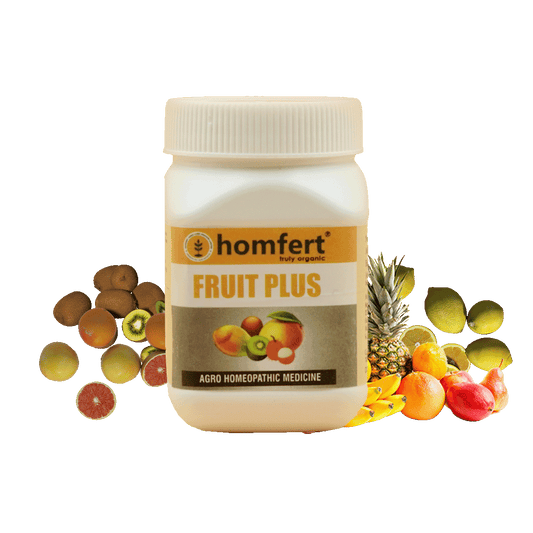
Plant care solutions like Homfert Fruit Plus can be included as part of a complete plant care routine. It supports overall plant vitality, helping plants maintain healthy growth, stronger flowering, and improved fruit-bearing potential.
Tags:
Previous
How Weather Stress Affects Your Crops and Ways to Protect Them
Next
How to Improve Root Growth in Plants Naturally
Related Articles

How to Care for Plants After Repotting
Oct 16 2026
Drip Irrigation: Benefits for Modern Farmers
Aug 30 2026
How to Build Long-Term Soil Fertility
Aug 30 2026
How Soil pH Affects Crop Growth
Aug 28 2026
Crop Rotation: How It Improves Soil Fertility
Aug 28 2026
How to Increase Vegetable Yield Naturally
Jul 31 2026

The Complete Guide to Watering Plants Correctly
Jul 21 2026