How to Increase Vegetable Yield Naturally
A healthy vegetable garden is every gardener's goal. Whether you're growing tomatoes, chillies, brinjals, cucumbers, or leafy greens, getting a higher yield depends on more than just planting good seeds.
Healthy roots, fertile soil, proper watering, balanced nutrition, and regular plant care all work together to help vegetable plants grow stronger and produce more.
Here are some natural ways to increase vegetable yield.
1. Start with Healthy Soil
Healthy soil provides the nutrients, moisture, and support that vegetable plants need.
Before planting:
-
Remove weeds and plant debris.
-
Add well-decomposed organic matter or compost.
-
Ensure the soil has good drainage.
-
Loosen compacted soil to encourage root growth.
Healthy soil creates the right environment for strong plant development.
2. Focus on Strong Root Development
Roots are responsible for absorbing water and nutrients from the soil. Weak roots often lead to slow growth, fewer flowers, and lower yields.
Healthy roots help plants:
-
Grow faster
-
Produce more flowers
-
Develop healthier fruits
-
Recover better from environmental stress
Supporting root development is one of the most effective ways to improve vegetable production.
3. Water Plants Properly
Vegetables need consistent moisture throughout their growing period.
Avoid:
-
Overwatering
-
Underwatering
-
Sudden changes in soil moisture
Instead:
-
Water deeply rather than frequently.
-
Water early in the morning whenever possible.
-
Ensure excess water drains away easily.
Proper watering keeps plants healthy and reduces stress.
4. Provide Balanced Nutrition
Different stages of plant growth require different nutrients.
A balanced fertilization program supports:
-
Healthy leaves
-
Strong stems
-
Better flowering
-
Improved fruit development
Avoid excessive nitrogen during flowering, as it can encourage leaf growth at the expense of flowers and fruits.
5. Give Plants Enough Sunlight
Most vegetables require 6–8 hours of direct sunlight every day.
Insufficient sunlight may lead to:
-
Slow growth
-
Weak stems
-
Poor flowering
-
Lower yields
Choose planting locations that receive adequate sunlight throughout the day.
6. Encourage Pollination
Many vegetables depend on pollination for fruit production.
To attract natural pollinators:
-
Grow flowering plants nearby.
-
Avoid spraying pesticides during flowering.
-
Maintain a pollinator-friendly garden.
Better pollination often leads to higher yields.
7. Control Weeds Early
Weeds compete with vegetable plants for:
-
Water
-
Nutrients
-
Sunlight
-
Space
Regular weeding allows crops to use available resources more efficiently.
Mulching can also help reduce weed growth while conserving soil moisture.
8. Monitor for Pests and Diseases
Healthy plants produce better harvests.
Inspect your vegetable garden regularly for:
-
Damaged leaves
-
Insect attacks
-
Yellowing foliage
-
Wilting plants
-
Disease symptoms
Early detection allows problems to be managed before they spread.
9. Reduce Plant Stress
Vegetables perform best under stable growing conditions.
Plant stress can result from:
-
Extreme temperatures
-
Heavy rainfall
-
Drought
-
Poor drainage
-
Root damage
Reducing stress helps plants direct more energy toward flowering and fruit production.
10. Harvest Vegetables on Time
Regular harvesting encourages many vegetable plants to continue producing.
For crops like:
-
Cucumbers
-
Beans
-
Okra
-
Chillies
Frequent harvesting often stimulates additional flowering and fruit production.
Common Mistakes That Reduce Vegetable Yield
Avoid these common errors:
-
Overwatering plants
-
Using excessive fertilizer
-
Ignoring soil health
-
Planting too closely together
-
Delaying pest management
-
Allowing weeds to spread
-
Growing vegetables in insufficient sunlight
Correcting these mistakes can significantly improve plant performance.
How Homfert Supports Healthy Vegetable Growth
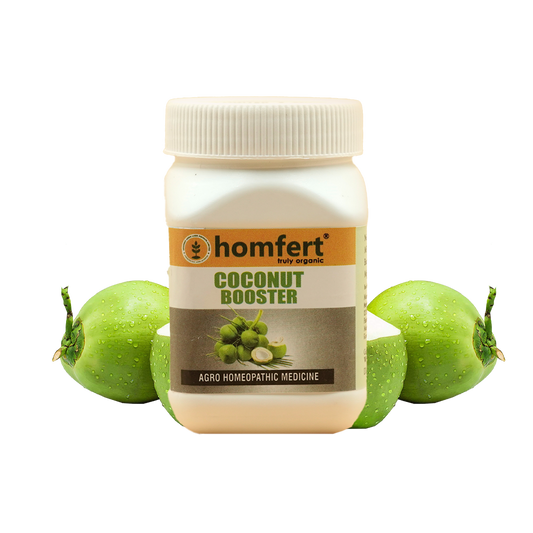
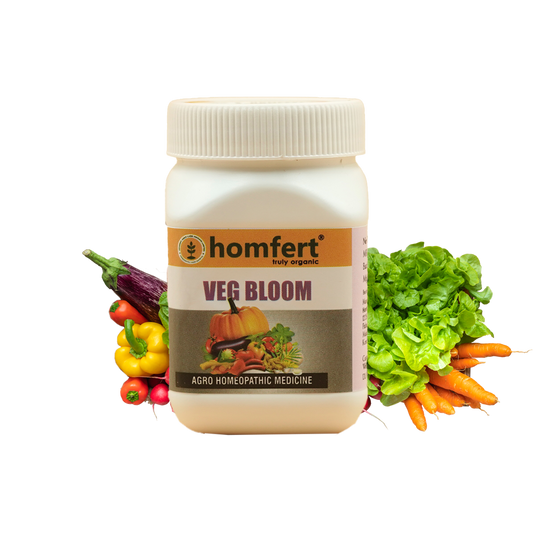
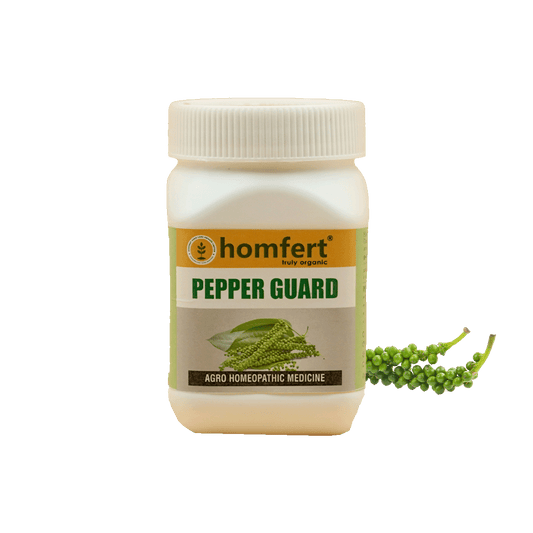
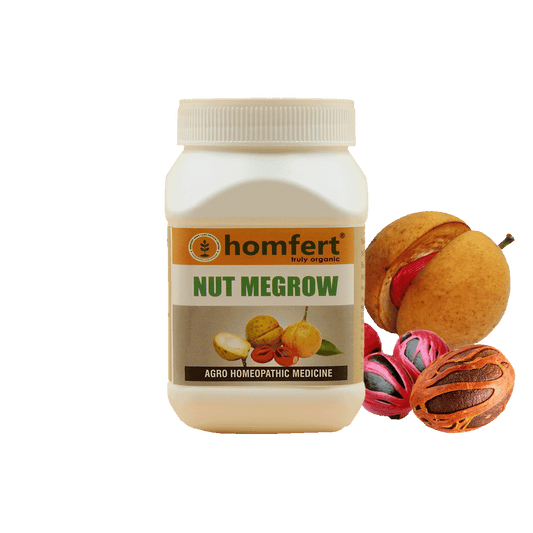
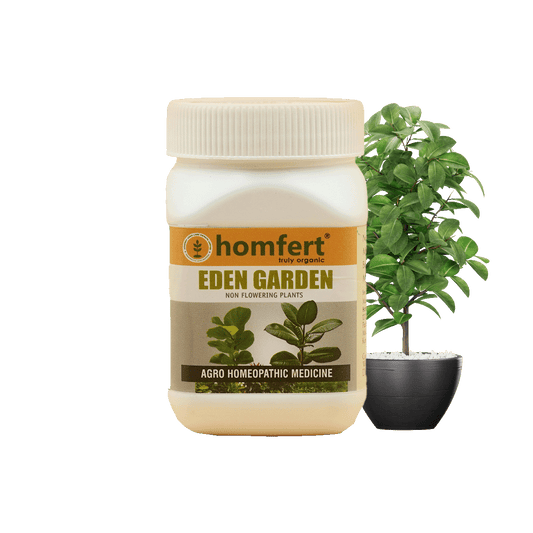
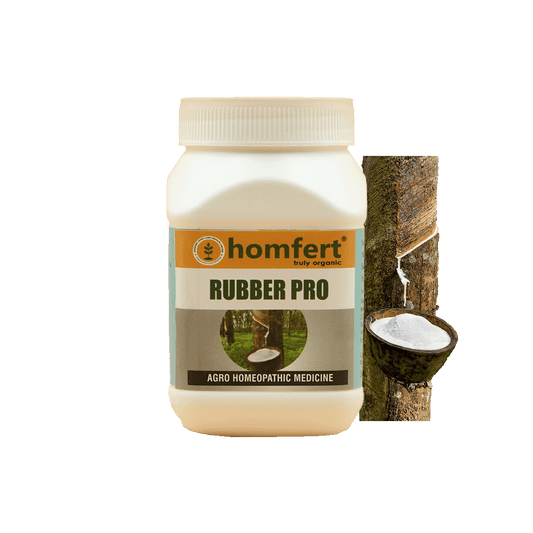
Homfert is a homeopathic root booster that can be used alongside your regular fertilizer program.
By supporting healthy root development, Homfert helps plants absorb water and nutrients more efficiently, contributing to healthy growth, flowering, and vegetable production under favorable growing conditions. Selecting the appropriate Homfert product and following the recommended application schedule can help maintain vigorous plant growth throughout the growing season.
Higher vegetable yields begin with healthy plants.By improving soil health, encouraging strong root systems, watering correctly, providing balanced nutrition, managing weeds and pests, and reducing plant stress, gardeners and farmers can naturally increase vegetable production.
Consistent care throughout the growing season helps plants remain healthy and productive, resulting in better-quality vegetables and more rewarding harvests.
Tags:
Previous
Why Flowers Drop Before Fruiting: Causes and How to Prevent It
Next
Crop Rotation: How It Improves Soil Fertility
Related Articles
How to Care for Plants After Repotting
Oct 16 2026
Drip Irrigation: Benefits for Modern Farmers
Aug 30 2026
How to Build Long-Term Soil Fertility
Aug 30 2026
How Soil pH Affects Crop Growth
Aug 28 2026
Crop Rotation: How It Improves Soil Fertility
Aug 28 2026

The Complete Guide to Watering Plants Correctly
Jul 21 2026