Drip Irrigation: Benefits for Modern Farmers
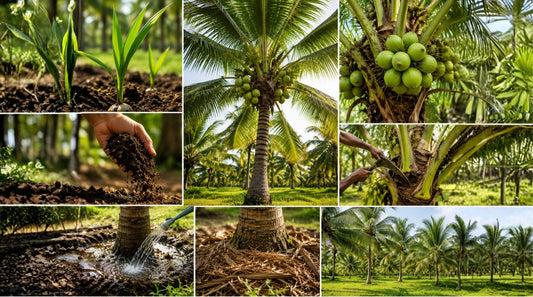
Water is one of the most important resources in agriculture, and using it efficiently is becoming increasingly important. Drip irrigation is a method that delivers water directly to the root zone of plants through a network of pipes, tubes, and emitters. By supplying water slowly and consistently, it can help farmers manage water more efficiently while supporting healthy crop growth.
What Is Drip Irrigation?
Unlike traditional irrigation methods that distribute water over a larger area, drip irrigation delivers small amounts of water directly near the plant roots.
This controlled application helps reduce unnecessary water loss through evaporation and runoff and ensures that plants receive water closer to where it is needed.
Benefits of Drip Irrigation
1. Better Water Efficiency
One of the biggest advantages of drip irrigation is efficient water use. Since water is delivered close to the roots, less water may be lost through evaporation and surface runoff compared with some conventional irrigation methods.
2. Supports Healthy Plant Growth
Regular and controlled moisture around the root zone can help plants avoid extreme fluctuations between excessive dryness and overwatering. Consistent water availability can support healthy root development and crop growth.
3. Reduces Weed Growth
Because water is concentrated around the crop's root zone rather than being distributed across the entire field, areas between plants may remain relatively dry. This can help reduce the conditions that encourage weed growth.
4. Helps Reduce Soil Erosion
Drip irrigation applies water slowly and gently. This can reduce surface runoff and soil disturbance, particularly when compared with high-flow irrigation methods.
5. Can Support Fertilizer Management
Drip systems can be used with fertigation, where suitable water-soluble nutrients are delivered through the irrigation system. This allows nutrients to be supplied closer to the root zone when appropriate.
6. Reduces Leaf Wetting
Since water is applied mainly around the roots, plant leaves remain relatively dry. This can help reduce conditions that favour some moisture-related diseases, although proper crop protection practices are still necessary.
7. Suitable for Different Crops
Drip irrigation can be used for a wide range of crops, including vegetables, fruits, plantation crops, and certain field crops. The system can be adapted based on crop spacing, soil type, and water requirements.
What Should Farmers Consider?
Although drip irrigation offers several benefits, proper planning and maintenance are important. Farmers should consider:
-
Crop water requirements
-
Soil type and drainage
-
Quality and availability of irrigation water
-
Correct emitter placement
-
Regular cleaning and maintenance
-
Filtration to prevent clogging
-
Proper system design and installation
A poorly designed or poorly maintained system may not deliver water uniformly.
Drip irrigation can be an effective tool for modern farmers looking to manage water more efficiently and provide crops with controlled moisture. When properly designed, installed, and maintained, it can support water conservation, healthier crop growth, reduced runoff, and more efficient nutrient management.
Tags:
Related Articles
How to Build Long-Term Soil Fertility
Aug 30 2026
How Soil pH Affects Crop Growth
Aug 28 2026
Crop Rotation: How It Improves Soil Fertility
Aug 28 2026
How to Increase Vegetable Yield Naturally
Jul 31 2026


The Complete Guide to Watering Plants Correctly
Jul 21 2026