Why Flowers Drop Before Fruiting: Causes and How to Prevent It
Seeing healthy flowers fall off before they develop into fruits can be disappointing for any farmer or home gardener. Whether you're growing vegetables, fruit trees, flowering plants, or spice crops, flower drop can significantly reduce your harvest.
While some flower shedding is a normal part of a plant's growth cycle, excessive flower drop usually signals that the plant is under stress or not receiving the right growing conditions.
Let's explore why flowers drop before fruiting and what you can do to improve flower retention and increase your harvest.
Is Flower Drop Normal?
Yes. Most plants naturally produce more flowers than they can support. As the plant grows, it sheds some flowers to focus its energy on developing healthier fruits.
However, if a large number of flowers fall before fruit formation, it's important to identify the underlying cause.
Common Reasons Why Flowers Drop Before Fruiting
1. Poor Pollination
Many fruit and vegetable plants rely on pollination to produce fruits. If pollination does not occur properly, the flowers dry up and fall off without developing into fruits.
Common reasons for poor pollination include:
-
Lack of bees and other pollinators
-
Heavy rain during flowering
-
Strong winds
-
High humidity
-
Growing conditions that limit insect activity
Encouraging pollinators by planting flowering plants nearby can improve pollination naturally.
2. Water Stress
Both overwatering and underwatering can lead to flower drop.
When plants experience sudden changes in soil moisture, they often respond by dropping flowers to conserve energy.
To reduce flower drop:
-
Water consistently.
-
Avoid letting the soil become completely dry.
-
Ensure proper drainage to prevent waterlogging.
Maintaining balanced soil moisture helps plants continue healthy flowering and fruit development.
3. Temperature Extremes
Very high or very low temperatures can interfere with flower development.
Heat waves, cold spells, and sudden weather changes often cause flowers to fall before fruiting.
Providing shade during intense heat or protecting sensitive crops during cold weather can reduce plant stress.
4. Nutrient Imbalance
Plants require balanced nutrition throughout their growth stages.
Too much nitrogen may encourage excessive leaf growth while reducing flowering and fruit set. Deficiencies in essential nutrients can also weaken flowers and increase flower drop.
Following a balanced nutrition program helps plants maintain healthy flowering.
5. Weak Root Development
Healthy roots absorb water and nutrients efficiently. When root systems are weak or damaged, plants struggle to support flowers and developing fruits.
Strong roots improve:
-
Water absorption
-
Nutrient uptake
-
Flower retention
-
Overall plant health
Supporting healthy root growth is one of the most effective ways to improve flowering and fruit production.
6. Environmental Stress
Plants constantly respond to changes in their environment.
Stress factors include:
-
Heavy rainfall
-
Strong winds
-
Prolonged drought
-
High humidity
-
Transplant shock
Reducing unnecessary stress helps plants direct more energy toward fruit development instead of shedding flowers.
7. Pest and Disease Problems
Pests and diseases can damage flowers directly or weaken the entire plant.
Regularly inspect plants for signs of:
-
Damaged flower buds
-
Insect infestations
-
Leaf diseases
-
Stem damage
Early detection and proper plant care can help protect flowering crops.
How to Prevent Flower Drop Naturally
Although every crop has unique requirements, these general practices can improve flower retention across many fruit, vegetable, and flowering plants.
Maintain Healthy Roots
Healthy roots form the foundation of productive plants by supporting efficient water and nutrient uptake.
Water Consistently
Avoid sudden fluctuations between dry and waterlogged soil. Consistent watering encourages stable plant growth.
Encourage Pollinators
Plant flowering species that attract bees and butterflies and avoid unnecessary pesticide use during flowering.
Provide Balanced Nutrition
Avoid excessive nitrogen during the flowering stage and ensure plants receive balanced nutrition appropriate for their growth stage.
Reduce Plant Stress
Protect crops from extreme weather whenever possible and maintain proper spacing for good air circulation.
Monitor Plants Regularly
Frequent inspection allows you to identify problems before they affect flowering and fruit production.
How Healthy Roots Support Better Flower Retention
Many growers focus only on flowers, but successful fruiting begins below the soil.
Healthy root systems help plants:
-
Absorb water more efficiently
-
Take up nutrients effectively
-
Handle environmental stress better
-
Support continuous flowering
-
Improve fruit development
Using products that support strong root development alongside your regular fertilization program can contribute to healthier plants and improved flowering under suitable growing conditions.
How Homfert Can Support Healthy Plant Growth
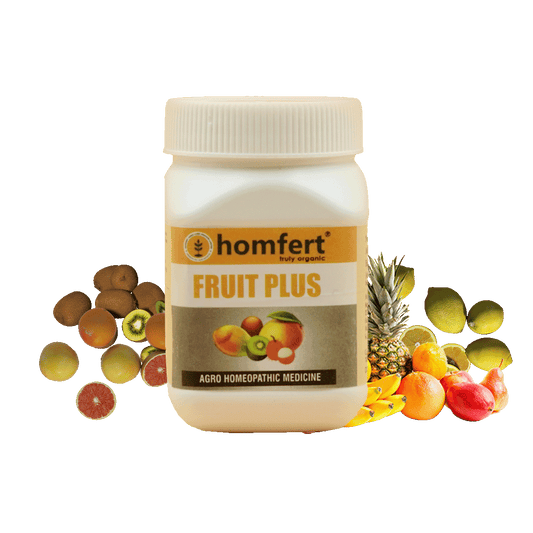
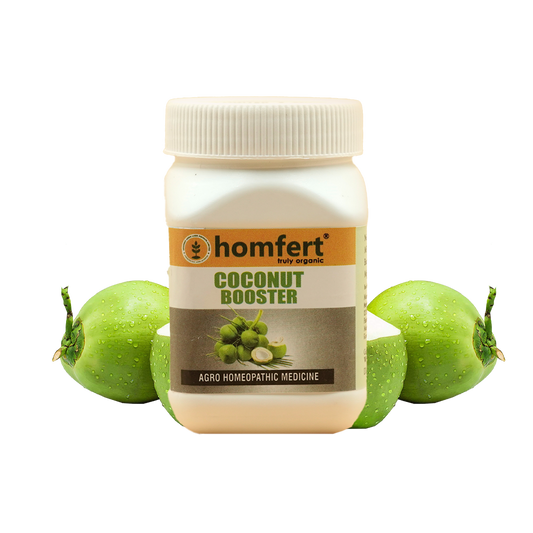
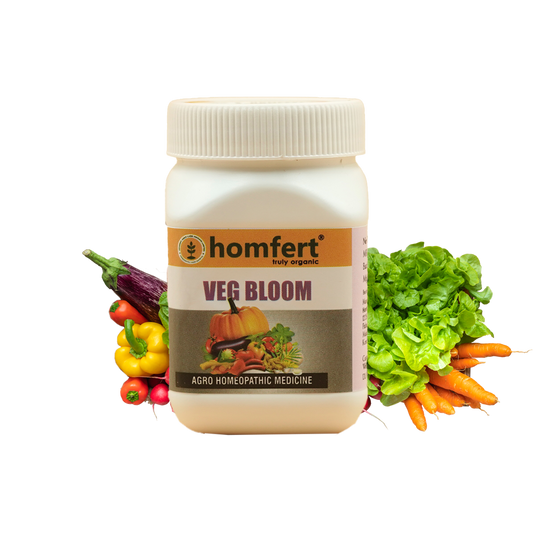
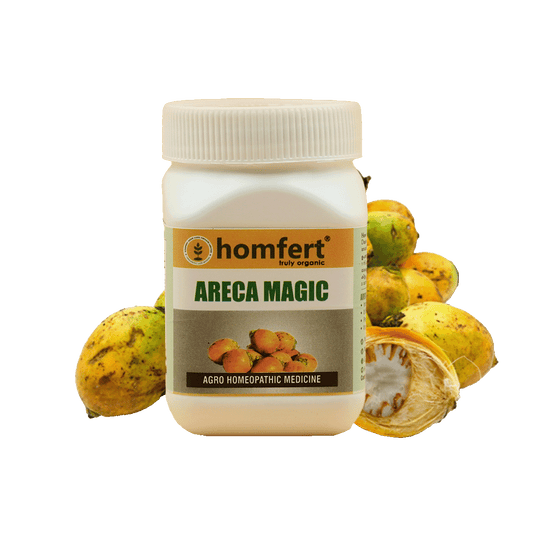
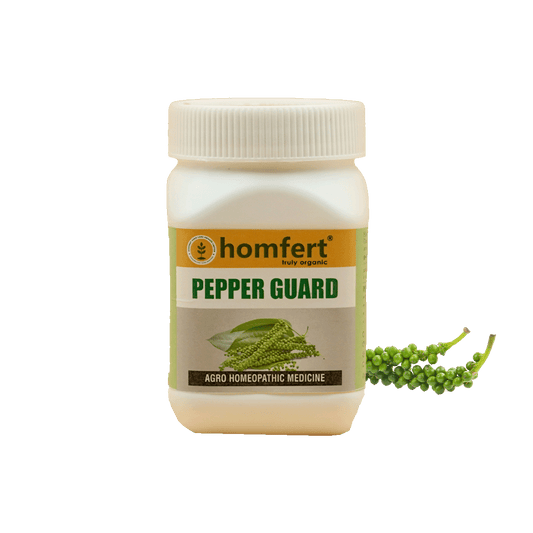
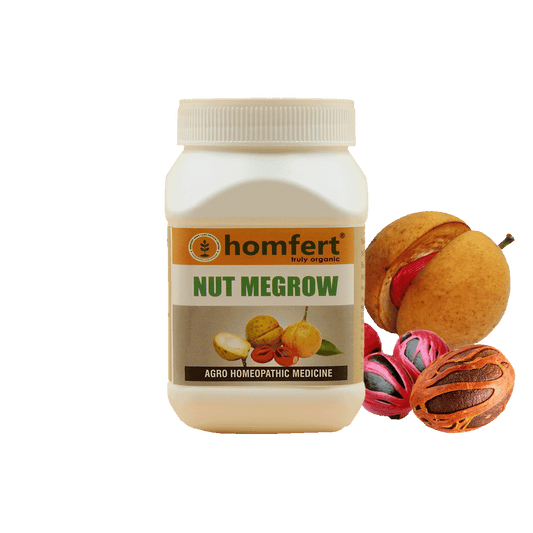
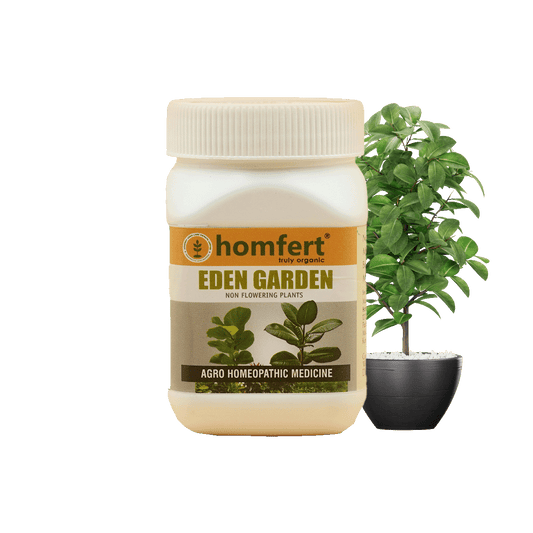
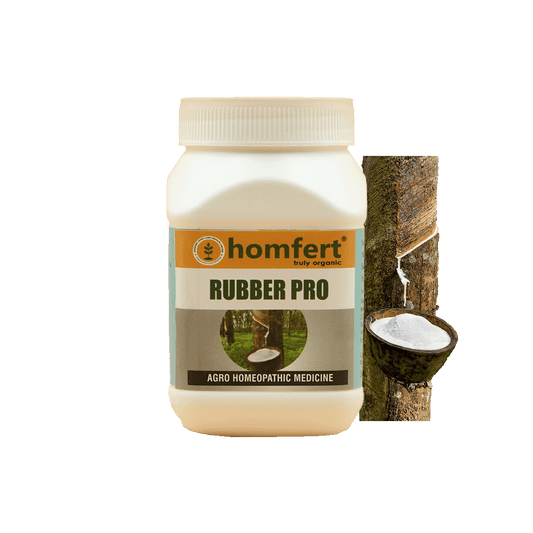
Homfert is a homeopathic root booster designed to support healthy root development when used alongside your regular fertilizer program.
By encouraging stronger root systems, Homfert helps plants absorb water and nutrients more efficiently, supporting overall plant health, flowering, and fruiting under favorable growing conditions. Choosing the right Homfert product for your crop and following the recommended application schedule can help maintain vigorous plant growth throughout the season.
Flower drop before fruiting is often a sign that plants are experiencing stress or are not receiving the conditions they need to support fruit development.
By improving pollination, maintaining consistent watering, providing balanced nutrition, protecting plants from environmental stress, and encouraging healthy root growth, you can reduce excessive flower drop and improve your harvest.
Healthy flowers begin with healthy plants—and healthy plants begin with strong roots.
Tags:
Previous
The Complete Guide to Watering Plants Correctly
Next
How to Increase Vegetable Yield Naturally
Related Articles

How to Care for Plants After Repotting
Oct 16 2026
Drip Irrigation: Benefits for Modern Farmers
Aug 30 2026
How to Build Long-Term Soil Fertility
Aug 30 2026
How Soil pH Affects Crop Growth
Aug 28 2026
Crop Rotation: How It Improves Soil Fertility
Aug 28 2026
How to Increase Vegetable Yield Naturally
Jul 31 2026
The Complete Guide to Watering Plants Correctly
Jul 21 2026