Why Fertilizers Alone Are Not Enough for Complete Plant Nutrition
For many farmers and gardeners, fertilizers are the first solution that comes to mind when plants show poor growth or reduced yield. While fertilizers play an essential role in supplying nutrients, they are only one part of a plant’s overall health.
Just as a balanced diet, good immunity, and a healthy environment are important for humans, plants also require proper care beyond basic nutrition. Factors such as root health, soil conditions, environmental stress, and a plant’s ability to efficiently use available nutrients all influence growth, flowering, and fruit production.
Understanding this complete approach to plant care can help farmers achieve healthier crops and better harvests.
1. Plants Need More Than Just Basic Nutrients
Traditional fertilizers mainly focus on supplying essential nutrients such as nitrogen (N), phosphorus (P), and potassium (K), which are important for plant growth. However, plants also require a balanced supply of other nutrients and favorable growing conditions to perform at their best.
A plant that receives nutrients but struggles with stress, poor root development, or unsuitable soil conditions may still show poor growth and reduced productivity.
2. Healthy Roots Are the Foundation of Healthy Plants
Roots are responsible for absorbing water and nutrients from the soil. If roots are weak or damaged, plants may not be able to make efficient use of the nutrients provided through fertilizers.
Strong roots help plants:
-
Absorb water more effectively
-
Take up nutrients efficiently
-
Remain more stable during adverse conditions
-
Support healthy growth and development
Supporting root health is therefore an important part of a complete plant care program.
3. Environmental Stress Can Limit Plant Growth
Plants regularly face challenges such as:
-
Extreme temperatures
-
Excess rainfall
-
Drought conditions
-
Strong winds
-
Changes in growing conditions
These stress factors can affect plant growth, flowering, and fruit development, even when enough fertilizer is available.
A well-maintained and resilient plant is better prepared to withstand such environmental challenges.
4. Soil Health Plays a Major Role
Healthy soil is not just a medium that holds plants in place. It provides a suitable environment for roots and helps support proper water and nutrient availability.
Poor soil conditions can lead to:
-
Reduced nutrient availability
-
Poor root growth
-
Water management issues
-
Lower crop performance
Maintaining good soil structure and following proper agricultural practices can improve overall plant health.
5. Growth, Flowering, and Fruiting Require Overall Plant Vitality
Many farmers focus only on increasing fertilizer application when they notice fewer flowers or reduced fruit production. However, excessive fertilizer use is not always the answer.
Plants require a balanced approach that supports:
-
Strong vegetative growth
-
Healthy flowering
-
Better fruit setting
-
Improved crop quality
-
Consistent productivity
Proper plant care practices help plants utilize their natural potential more effectively.
The Importance of a Complete Plant Care Approach
Successful farming involves combining proper fertilization with good agricultural practices, healthy soil management, adequate watering, and solutions that support overall plant vitality.
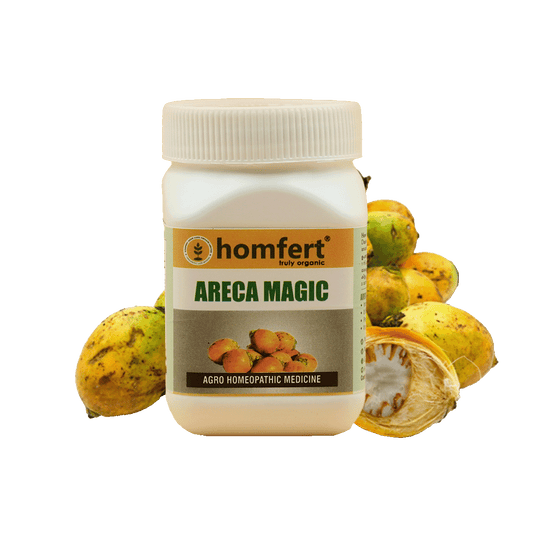
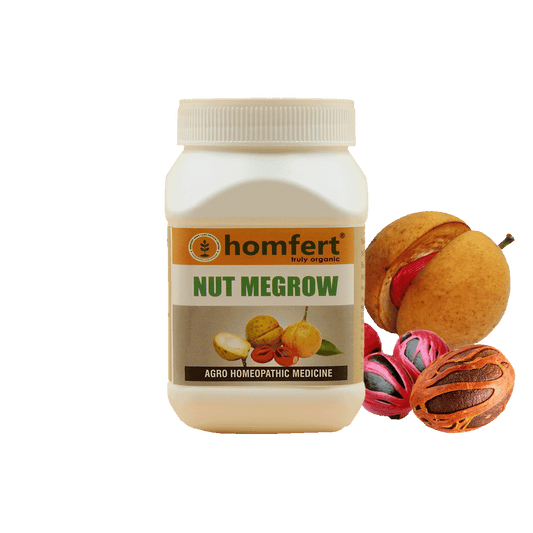
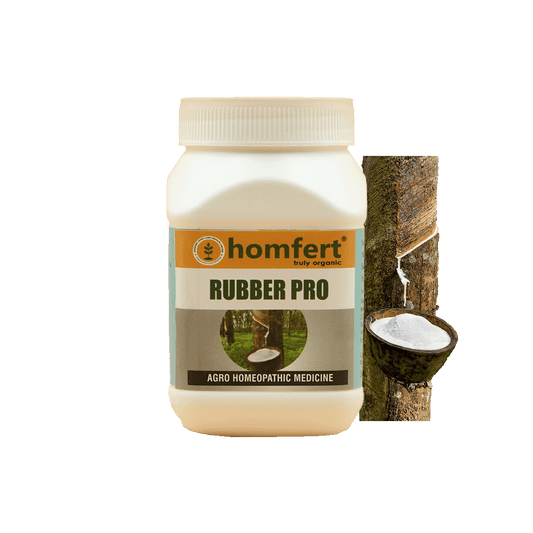
Products like Homfert homeopathic based plant care solutions can be included as part of a complete plant care routine. They are designed to support plant health, helping crops maintain stronger growth, better flowering, and improved productivity alongside regular fertilizer programs.
Best Practices for Complete Plant Nutrition
To achieve healthier plants and better yields:
-
Apply fertilizers according to crop requirements.
-
Maintain healthy soil conditions.
-
Ensure proper irrigation and drainage.
-
Protect plants from environmental stress.
-
Monitor crops regularly for signs of poor health.
-
Use supportive plant care solutions as part of an overall management plan.
Healthy Plants Begin with Complete Care
Fertilizers are an essential tool in agriculture, but they work best when combined with a complete plant care strategy. Strong roots, healthy soil, proper water management, and overall plant vitality all contribute to better growth and improved harvests.
By looking beyond fertilizers alone, farmers can create healthier crops that are more capable of producing high-quality yields.
Tags:
Previous
Monsoon Farming Guide: Preparing Your Farm for a Healthy and Productive Season
Next
How Weather Stress Affects Your Crops and Ways to Protect Them
Related Articles

How to Care for Plants After Repotting
Oct 16 2026
Drip Irrigation: Benefits for Modern Farmers
Aug 30 2026
How to Build Long-Term Soil Fertility
Aug 30 2026
How Soil pH Affects Crop Growth
Aug 28 2026

Crop Rotation: How It Improves Soil Fertility
Aug 28 2026

How to Increase Vegetable Yield Naturally
Jul 31 2026


The Complete Guide to Watering Plants Correctly
Jul 21 2026