Best Plant Care Practices for Healthy Coconut Trees
Coconut trees are a valuable crop for farmers, providing coconuts for food, oil, fiber, and many other uses. A healthy coconut tree can remain productive for decades, but achieving consistent yields requires proper care and timely management. By following the right plant care practices, farmers can ensure stronger trees, better nut production, and improved resistance to environmental stress.
1. Select Healthy Seedlings and Suitable Varieties
The foundation of a productive coconut plantation begins with selecting healthy seedlings. Choose disease-free, vigorous seedlings from reliable sources. Selecting varieties suitable for your climate and soil conditions helps ensure better growth and long-term productivity.
2. Ensure Proper Soil and Planting Conditions
Coconut trees grow best in well-drained soil with good moisture-holding capacity. While they can tolerate different soil types, avoiding waterlogged conditions is important, as excessive moisture can affect root health.
Before planting, prepare the soil properly by adding organic matter and ensuring enough space between trees for proper root and canopy development.
3. Provide Adequate Water
Water plays a crucial role in coconut growth and nut production. Young palms require regular watering to establish strong roots, while mature trees need adequate moisture, especially during dry periods.
Drip irrigation or basin irrigation can help maintain consistent moisture levels and improve water efficiency.
4. Maintain Soil Fertility
Healthy soil provides the foundation for strong coconut trees. Applying organic manure and balanced fertilizers helps replenish essential nutrients required for growth, flowering, and nut development.
Using natural plant care solutions can support overall plant vitality, improve natural resilience, and complement regular nutrient management practices.
5. Promote Strong Root Development
Strong roots enable coconut trees to absorb water and nutrients efficiently. Practices such as proper watering, maintaining healthy soil conditions, and providing suitable plant nutrition help develop a robust root system.
Healthy roots contribute to stronger palms and better productivity.
6. Control Weeds and Maintain Clean Surroundings
Weeds compete with coconut trees for nutrients, water, and sunlight. Regular removal of weeds around the base of the tree helps reduce competition and improves nutrient availability.
Mulching with organic materials can also help conserve moisture, regulate soil temperature, and improve soil quality over time.
7. Protect Trees from Pests and Diseases
Regular inspection of coconut trees helps identify pest or disease problems at an early stage. Removing affected plant parts, maintaining proper sanitation, and following recommended plant protection measures can help keep trees healthy.
Preventive care is always more effective than addressing severe problems later.
8. Support Tree Immunity and Stress Tolerance
Coconut trees may face challenges from drought, temperature changes, and other environmental stresses. Maintaining proper nutrition, watering, and overall plant health helps trees become more resilient.
Plant care solutions that support natural immunity can help maintain healthier and stronger trees throughout their life cycle.
9. Regular Monitoring and Timely Care
Successful coconut cultivation requires continuous observation. Monitor the color of leaves, growth rate, flowering, and nut development. Early detection of any changes allows farmers to take timely corrective measures and maintain consistent productivity.
Healthy coconut trees are the result of consistent care, balanced nutrition, proper watering, and good farm management practices. By focusing on root health, soil fertility, disease prevention, and overall plant vitality, farmers can achieve stronger palms and better long-term yields.
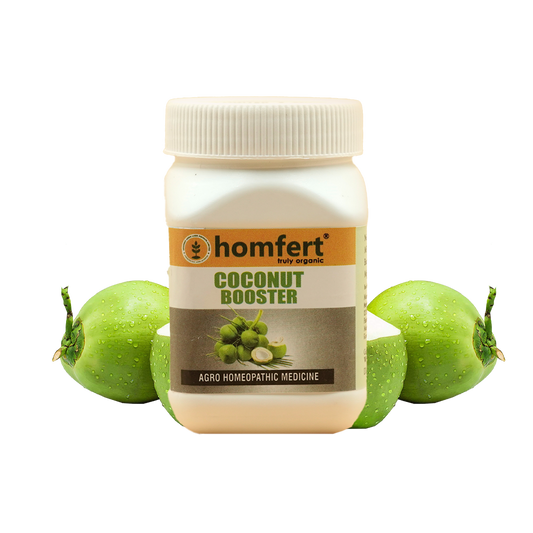
Incorporating eco-friendly plant care methods, including homeo-based root boosters, can be a valuable part of a sustainable approach to maintaining healthy and productive coconut plantations.
Tags:
Previous
How to Improve Root Growth in Plants Naturally
Next
The Complete Guide to Watering Plants Correctly
Related Articles

How to Care for Plants After Repotting
Oct 16 2026
Drip Irrigation: Benefits for Modern Farmers
Aug 30 2026
How to Build Long-Term Soil Fertility
Aug 30 2026
How Soil pH Affects Crop Growth
Aug 28 2026

Crop Rotation: How It Improves Soil Fertility
Aug 28 2026
How to Increase Vegetable Yield Naturally
Jul 31 2026


The Complete Guide to Watering Plants Correctly
Jul 21 2026